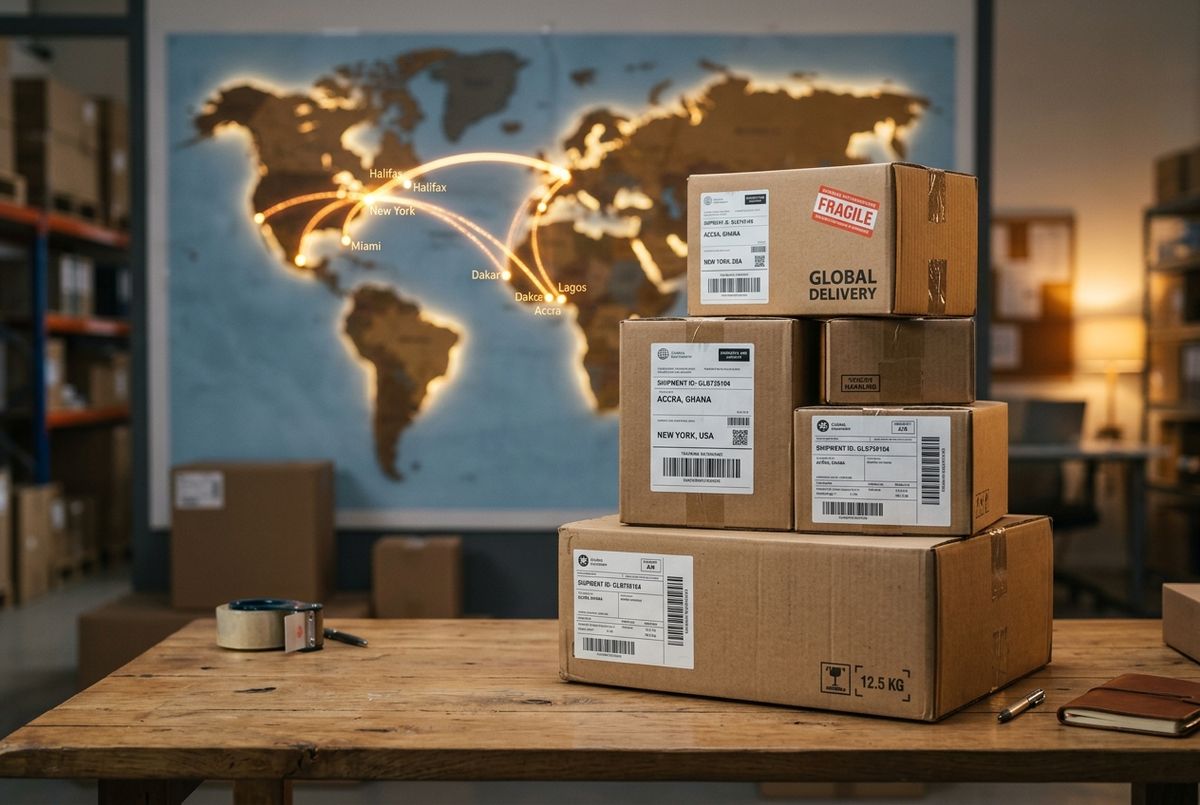
: Revolutionizing Your Supply Chain
In today’s fast-paced global economy, efficient logistics are paramount. Businesses seek competitive advantages constantly. Consequently, optimized warehouse management services are no longer a luxury. They are a fundamental necessity for success. These services transform how products move. They ensure goods arrive on time and in perfect condition. Moreover, they streamline operations, reducing costs and boosting overall efficiency.
Modern supply chains are complex networks. They span continents and involve countless touchpoints. Therefore, the role of a well-managed warehouse cannot be overstated. It acts as the central hub. It connects suppliers, manufacturers, and customers seamlessly. Furthermore, effective warehouse management directly impacts customer satisfaction. It also influences a company’s bottom line. Understanding and implementing top-tier warehousing practices is crucial.
The Core of Optimized Warehouse Management Services
What exactly defines optimized warehouse management services? It encompasses a holistic approach to storage, inventory, and distribution. It goes beyond simple shelving and picking. Instead, it integrates advanced technology and strategic planning. The goal is to maximize space utilization. It also aims to accelerate throughput. Simultaneously, it minimizes errors and operational expenditures. These services are vital for any business. They help navigate the complexities of modern commerce. Ultimately, they build a resilient and agile supply chain.
Key Components of Efficient Warehouse Management
Several pillars support truly optimized warehouse management. Firstly, inventory control is fundamental. Accurate tracking prevents stockouts and overstocking. This balance is critical for profitability. Secondly, space optimization ensures every square foot is utilized effectively. This includes vertical storage and efficient layout designs. Thirdly, automation and technology play a huge role. Robotics, AI, and IoT devices enhance speed and accuracy. Finally, a skilled workforce is indispensable. Properly trained staff operate systems efficiently. They also handle exceptions smoothly. Together, these components create a robust warehousing environment.
Effective inventory management is more than just counting boxes. It involves sophisticated forecasting models. These models predict demand accurately. Inventory management best practices also include cycle counting and ABC analysis. These methods ensure high-value items receive proper attention. Furthermore, real-time data visibility is essential. It provides managers with actionable insights. This enables quick, informed decisions. Ultimately, this proactive approach minimizes waste and maximizes returns. It forms the backbone of responsive supply chain operations.
Benefits of Embracing Optimized Warehouse Management Services
Adopting advanced warehousing strategies yields numerous benefits. These advantages touch every part of a business. They enhance operational efficiency significantly. They also drive substantial cost savings. Moreover, they improve customer service levels dramatically. Let’s explore these benefits in detail. They underscore the importance of robust optimized warehouse management services.
Elevating Efficiency with Optimized Warehouse Management
One primary benefit is enhanced operational efficiency. Streamlined processes reduce unnecessary movements. They also eliminate bottlenecks. For instance, optimized picking routes save time. Automated sorting systems increase throughput. Furthermore, cross-docking strategies minimize storage time. This leads to faster order fulfillment. Consequently, products reach customers quicker. This speed is a significant competitive edge today. Every step of the operation becomes smoother. This directly impacts productivity and profitability.
Cost reduction is another major advantage. Efficient space utilization lowers rental costs. Reduced labor through automation cuts wage expenses. Furthermore, minimized damage and obsolescence save money. Fewer errors mean less returns processing. This directly impacts operational budgets. Overstocking becomes a thing of the past. This frees up valuable capital. Therefore, investing in optimized warehouse management services pays dividends quickly. It transforms potential liabilities into assets.
Improved customer satisfaction is a critical outcome. Fast, accurate order fulfillment delights customers. Reliable delivery builds trust and loyalty. Consequently, positive customer experiences lead to repeat business. They also generate valuable word-of-mouth referrals. In today’s market, customer experience is paramount. A well-managed warehouse directly contributes to this. It ensures promises are kept. This strengthens brand reputation significantly.
Leveraging Technology for Advanced Warehouse Management
Technology is the driving force behind modern warehousing. It enables unprecedented levels of precision and control. From sophisticated software to physical automation, tools abound. Embracing these innovations is vital. They ensure your optimized warehouse management services remain competitive. Furthermore, they prepare your business for future challenges. Staying current with technological advancements is not optional; it’s essential.
The Role of Automation and Robotics
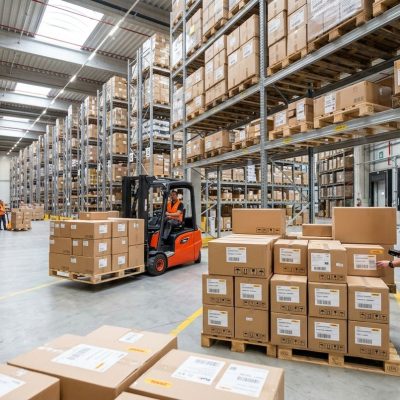
Automation in warehouses ranges from simple conveyor belts to complex robotic systems. Automated Guided Vehicles (AGVs) transport goods efficiently. Robotic arms handle repetitive tasks precisely. These technologies reduce manual labor needs. They also minimize human error significantly. Consequently, operational speed increases. Furthermore, worker safety improves dramatically. Automation allows human staff to focus on more strategic tasks. This reallocation of resources boosts overall productivity. It is a cornerstone of advanced warehousing.
Warehouse Management Systems (WMS)
A robust Warehouse Management System (WMS) is indispensable. It acts as the brain of the warehouse. A WMS manages inventory from arrival to dispatch. It optimizes storage locations dynamically. It also directs picking and packing processes. Furthermore, it provides real-time data on stock levels. This system integrates with other enterprise software. For instance, it connects with ERP and TMS. This integration creates a unified operational view. Therefore, a WMS is central to any optimized warehouse management services strategy. It empowers informed decision-making.
Emerging logistics technology trends, such as Artificial Intelligence (AI) and Machine Learning (ML), are further transforming warehousing. AI algorithms can predict demand with greater accuracy. ML optimizes picking paths in real time. Drones are now used for inventory counts. These innovations push the boundaries of efficiency. Businesses adopting these technologies gain a significant edge. They can react faster to market changes. This agility is a key differentiator in competitive landscapes.
Strategic Considerations for Optimized Warehouse Management
Beyond technology, strategic thinking is crucial. It involves careful planning and continuous improvement. A well-defined strategy ensures long-term success. It also allows for adaptability. Market conditions change rapidly. Therefore, a flexible approach is necessary. Proactive planning minimizes disruptions. It maximizes the value of your optimized warehouse management services investments. Moreover, it builds a resilient supply chain.
Integrating Warehousing with Overall Supply Chain Strategy
Your warehouse should not operate in isolation. It must be fully integrated. It needs to align with your overall supply chain strategy. This integration fosters seamless communication. It ensures consistent data flow. For example, inbound logistics should coordinate with storage capacity. Outbound logistics must align with delivery schedules. This holistic view optimizes the entire chain. It prevents bottlenecks at any point. Furthermore, it enhances visibility across all operations. True optimization happens when all components work in harmony. This maximizes efficiency from end to end.
Sustainability is also a growing concern. Sustainable practices in warehousing are gaining traction. This includes energy-efficient lighting and equipment. It also involves waste reduction and recycling programs. Furthermore, optimizing transportation routes lowers carbon emissions. Environmentally conscious operations appeal to modern consumers. They also often lead to long-term cost savings. Embracing sustainability enhances corporate social responsibility. It builds a positive brand image. This forward-thinking approach is becoming a standard.
Choosing the Right Partner for Optimized Warehouse Management Services
Selecting the right third-party logistics (3PL) provider is vital. They become an extension of your business. Their expertise can elevate your operations. A strong partner offers tailored solutions. They understand your unique needs. This decision impacts efficiency, cost, and customer satisfaction. Therefore, due diligence is essential. Look for proven track records and strong capabilities. A reliable partner makes a significant difference.
What to Look for in a 3PL Provider
When evaluating 3PLs, consider several factors. Firstly, assess their technological capabilities. Do they use advanced WMS and automation? Secondly, evaluate their experience in your industry. Industry-specific knowledge is invaluable. Thirdly, check their scalability. Can they grow with your business? Furthermore, examine their geographical reach. Do they cover your target markets? Finally, prioritize transparency and communication. A good partner keeps you informed. They provide clear data and regular updates. These qualities ensure a fruitful partnership. They help you achieve truly optimized warehouse management services.
The Future of Optimized Warehouse Management Services
The landscape of warehousing is continuously evolving. New challenges and opportunities emerge regularly. E-commerce growth, for instance, demands rapid fulfillment. Furthermore, consumer expectations for delivery speed increase. Staying agile and innovative is crucial. Businesses must adapt to these changes proactively. This ensures their warehousing strategies remain effective. It guarantees continued competitive advantage.
E-commerce Fulfillment and Micro-Warehousing
The rise of e-commerce has revolutionized logistics. Customers expect fast, often same-day or next-day, delivery. This demand drives new warehousing models. E-commerce fulfillment centers are designed for speed. They feature high levels of automation. Furthermore, micro-warehouses are emerging. These smaller facilities are located closer to urban centers. They enable ultra-fast last-mile delivery. This trend emphasizes proximity and rapid turnaround. It redefines traditional warehousing concepts. Businesses must consider these new paradigms.
Data Analytics and Predictive Logistics
Data analytics will increasingly shape warehousing decisions. Predictive analytics can forecast demand variations precisely. It also identifies potential supply chain disruptions. This allows for proactive adjustments. For instance, anticipating peak seasons enables optimal staffing. Predicting equipment failures allows for preventative maintenance. This data-driven approach enhances resilience significantly. It minimizes risks and maximizes operational uptime. Therefore, investing in data capabilities is a smart move. It future-proofs your optimized warehouse management services.
In conclusion, optimized warehouse management services are essential. They drive efficiency, reduce costs, and enhance customer satisfaction. Leveraging technology and strategic partnerships is key. Businesses must embrace automation, advanced WMS, and data analytics. Furthermore, integrating warehousing with overall supply chain strategy is vital. The evolving market demands adaptability and innovation. By focusing on these principles, companies can build resilient operations. They can also achieve sustainable growth. Explore how expert services can transform your logistics today. Call us at +234 904 238 1693 or email us at info@flocargo.com for tailored solutions. Your path to a streamlined supply chain starts here.