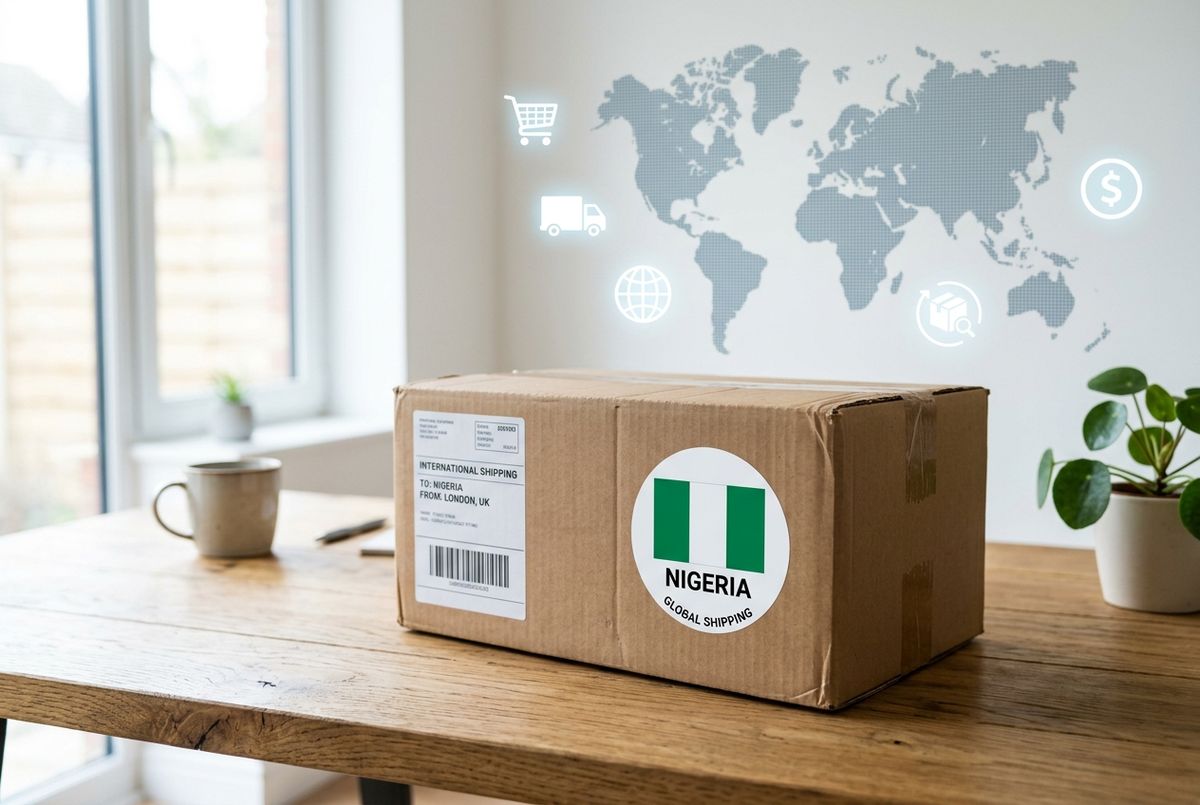
Shipping Goods from Nigeria to Canada

Your Complete Guide to Seamless International Delivery

Are you looking to send items from Nigeria to Canada? Navigating international logistics can seem daunting. However, with the right information, Shipping Goods from Nigeria to Canada becomes a straightforward process. This comprehensive guide will equip you with everything needed for a smooth experience, whether you’re sending personal effects, commercial goods, or gifts.

Understanding the intricacies is crucial. From documentation to customs clearance, each step requires careful attention. This guide simplifies the journey, making your international shipment hassle-free. We will explore various shipping methods and key considerations. This ensures your items reach their Canadian destination safely and efficiently.

Shipping Goods from Nigeria to Canada: The Basics

Sending items internationally involves several key steps. First, you must identify what you are sending. This includes its nature, value, and weight. Next, research reputable shipping companies. They offer various services tailored to your needs. Proper packaging is also essential for safe transit.

The journey of Shipping Goods from Nigeria to Canada starts with choosing the right partner. A reliable logistics provider streamlines the entire process. They handle documentation and customs requirements. This expertise saves you time and potential headaches. Consider Flocargo for your international shipping needs; you can learn more on our Flocargo blog.

Preparation is key for any international shipment. This includes gathering all necessary paperwork. Knowing the rules in both countries helps. Nigeria and Canada have specific import and export regulations. Adhering to these rules prevents delays. It also avoids unexpected costs. Planning ahead makes the shipping experience much smoother.

Understanding International Logistics Challenges

International shipping often presents unique challenges. These can include complex customs procedures. There are also varying regulations between countries. Weather conditions or unforeseen logistical disruptions might occur. Addressing these potential issues upfront is wise. Choose a shipping partner with experience.

One common challenge is understanding prohibited items. Certain goods cannot be shipped to Canada. Always check the official Canada Border Services Agency (CBSA) website. This prevents your shipment from being seized. Being informed helps avoid any unpleasant surprises. It ensures compliance with all Canadian import laws.

Another hurdle involves accurate valuation. Declaring the correct value of goods is vital. Undervaluation can lead to penalties. Overvaluation might increase duties and taxes. A precise declaration ensures a fair assessment. It also speeds up the customs clearance process.

Furthermore, transit times can vary significantly. Factors like shipping method, distance, and customs processing affect delivery. It is important to set realistic expectations. Communicate with your chosen courier for updates. This proactive approach helps manage expectations effectively.

Choosing the Right Service for Your Cargo

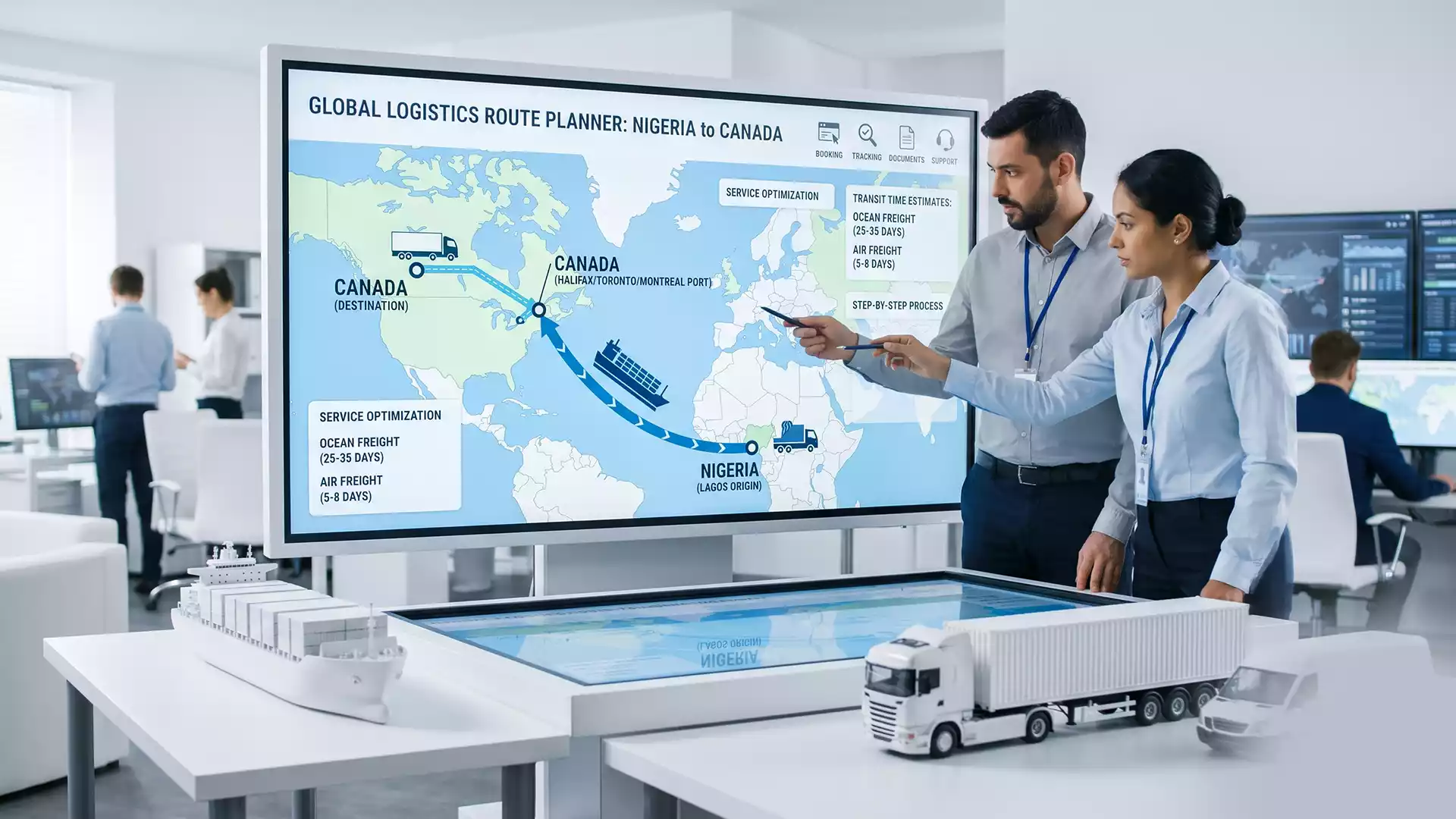
Selecting the appropriate shipping service depends on several factors. These include the urgency of your shipment. The size and weight of your package are also important. Your budget will also play a role. Air freight and sea freight are the two primary options for Shipping Goods from Nigeria to Canada.

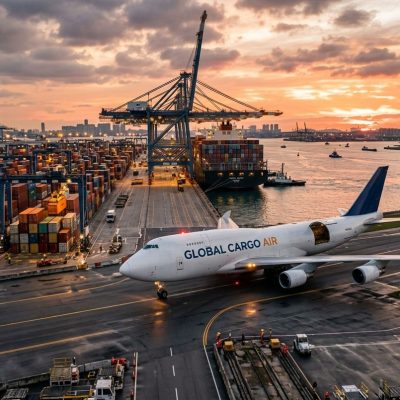
Air freight offers speed. It is ideal for urgent or time-sensitive deliveries. While faster, it is generally more expensive. Air cargo is suitable for high-value items. It is also good for smaller, lighter packages. Express air services provide door-to-door delivery. They often include tracking capabilities.

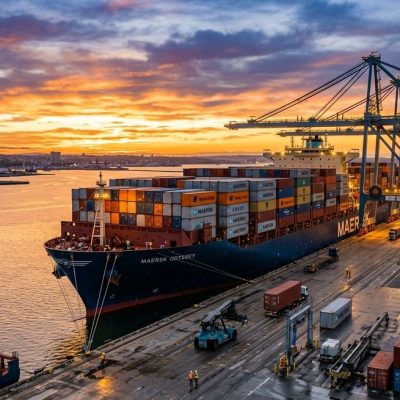
Sea freight is more economical. It is perfect for large, heavy, or bulky shipments. This method has longer transit times. However, it offers significant cost savings. Full Container Load (FCL) or Less than Container Load (LCL) options are available. LCL is for smaller consignments that don’t fill a whole container. FCL is for larger shipments. Many businesses utilize sea freight for regular imports. For comparison, you can also consider services like shipping from China to Nigeria.

Consider hybrid services too. Some companies offer a combination. This might involve sea freight to a major port. Then, domestic air or road transport completes the journey. This can balance cost and speed. Discuss all available options with your chosen freight forwarder.

Air Cargo for Shipping Goods from Nigeria to Canada

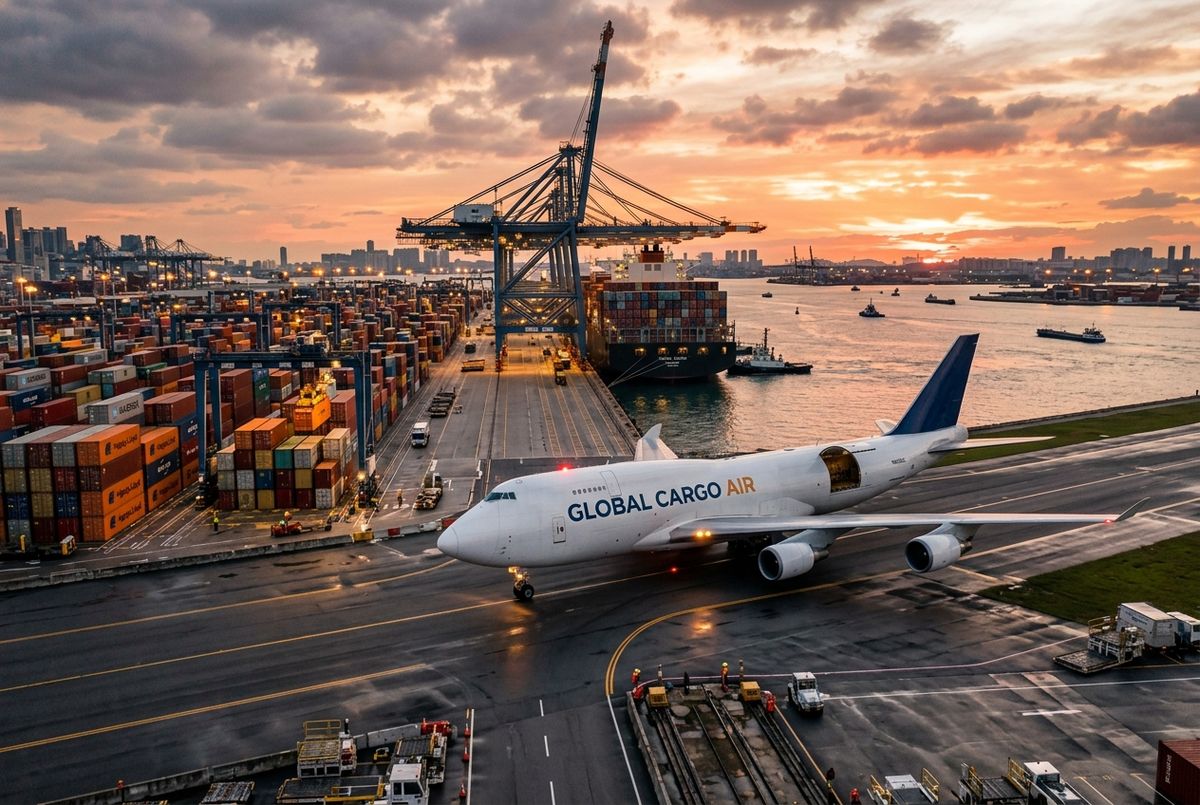
Air cargo streamlines the process. It is the fastest way to get your items across. Major airlines offer cargo services. Specialized freight forwarders also provide solutions. They handle packaging, documentation, and customs. This makes air freight convenient.

When opting for air freight, prepare your items meticulously. Use strong, durable packaging materials. Label your packages clearly. Include all sender and recipient information. Air cargo usually has stricter size and weight limits. Be aware of these restrictions. Your freight forwarder can advise on specific requirements. They ensure smooth processing.

Tracking is a significant benefit of air cargo. Most services offer real-time tracking. You can monitor your shipment’s progress online. This provides peace of mind. You know exactly where your items are. It allows you to anticipate delivery. It also helps with planning for receipt.

Sea Freight Options for Your Parcel

Sea freight is a robust solution. It handles a wide range of goods. From personal effects to commercial machinery, it’s versatile. Larger volumes make sea freight cost-effective. Shipping lines operate regular routes. They connect major ports worldwide. This ensures consistent service.

When choosing sea freight, consider container options. An FCL shipment means your goods fill an entire container. This offers exclusive use and security. LCL combines your goods with others. This reduces costs for smaller volumes. The choice depends on your shipment’s size. Your budget also plays a role. Discuss these options with Flocargo by contacting us at +234 904 238 1693‬ or emailing info@flocargo.com.

Sea freight also requires customs clearance. This happens at both origin and destination ports. Having all documents ready is crucial. Work with a freight forwarder. They will guide you through this process. They ensure all necessary declarations are made correctly. This minimizes delays.

Documentation for Global Shipments

Proper documentation is non-negotiable. Without it, your shipment will face delays. It might even be rejected. Essential documents include a commercial invoice. A packing list is also required. An airway bill for air freight or a bill of lading for sea freight is needed. Customs declaration forms are also mandatory.

The commercial invoice details the goods. It specifies quantity, description, and value. The packing list itemizes contents. It shows weight and dimensions per package. These documents help customs officials. They assess duties and taxes accurately. They also identify any restricted items.

For personal effects, a detailed inventory is needed. You might also need a declaration of non-commercial intent. Commercial shipments require additional licenses or permits. This depends on the type of goods. Always verify specific requirements. Check with the Canadian customs authorities. It ensures compliance.

Essential Documents for Smooth Entry

Having your paperwork in order is critical. The commercial invoice is paramount. It must be accurate and complete. Any discrepancies can cause significant hold-ups. Ensure all values match. The description of goods must be clear. This prevents any misinterpretation by customs.

A Bill of Lading (B/L) or Air Waybill (AWB) serves as a contract. It also acts as a receipt for goods. It details the carrier, shipper, consignee, and goods. This document is essential for tracking. It is also needed for claiming your shipment. Without it, you cannot receive your items.

Additionally, certificates of origin may be required. This proves where the goods were manufactured. Some items might need phytosanitary certificates. This applies to plants or agricultural products. Health certificates are for animal products. Understanding these specific needs is important. They are crucial for Shipping Goods from Nigeria to Canada smoothly. For broader shipping information, check our guide on shipping from USA to Nigeria.

Navigating Customs and Regulations

Customs clearance is a vital step. Both Nigerian and Canadian customs must process your shipment. This involves inspections and duty assessments. Understanding the regulations helps avoid surprises. A good freight forwarder will guide you.

Canadian import regulations are strict. Goods must comply with safety standards. They also must meet environmental rules. Certain items require specific permits. Always declare your items accurately. Misdeclaration can lead to penalties. It can also cause delays or seizure. The Government of Canada’s import guide is a valuable resource.

Duties and taxes are typically levied. These are based on the Harmonized System (HS) code. This code classifies goods internationally. The value of the goods and their origin also play a role. Be prepared for these potential costs. Your freight forwarder can estimate them for you. They help calculate potential charges.

Some items may qualify for duty exemptions. This often depends on trade agreements. Research any applicable agreements between Nigeria and Canada. This can potentially reduce your costs. Proper documentation supporting these claims is necessary. Ensure all paperwork is accurate and complete. This facilitates a quicker clearance.

Calculating Costs when Shipping Goods from Nigeria to Canada

Several factors determine the total cost. Freight charges depend on weight, volume, and method. Fuel surcharges are also common. Customs duties and taxes add to the expense. Insurance premiums are also a consideration. Destination delivery charges may apply too.

Get detailed quotes from multiple providers. Compare their services and prices. Ensure the quote is all-inclusive. This prevents hidden fees later on. A breakdown of costs helps you understand where your money goes. Flocargo offers transparent pricing. We prioritize clear communication.

Insurance is highly recommended. It protects your goods against loss or damage. Accidents can happen during transit. Having insurance provides financial security. It covers potential unforeseen circumstances. Always consider adequate coverage for your valuable items.

Other potential costs include storage fees. These occur if your goods are not cleared promptly. Demurrage charges apply to containers. They accrue if not returned on time. Be aware of these potential extras. Plan carefully to minimize them.

Tips for Secure Shipping Goods from Nigeria to Canada

Ensuring the security of your shipment is paramount. Proper packaging is the first line of defense. Use sturdy boxes and adequate cushioning. Seal packages securely. Consider using tamper-evident tape. This adds an extra layer of protection.

Clearly label all packages. Include both sender and recipient addresses. Add contact numbers. Barcodes and tracking numbers should be visible. This aids in accurate sorting and delivery. It also helps if a package gets separated. Clear labeling prevents misdirection.

Choose a reputable shipping company. Look for one with a proven track record. Check their reviews and customer testimonials. A reliable partner ensures your goods are handled professionally. They prioritize safe and timely delivery. Flocargo maintains high service standards. We ensure secure transit for your goods. We also offer similar services for shipping from Turkey to Nigeria.

Consider fragile items carefully. Special packaging may be needed. Use

Previous Post

Leave a Reply

Your email address will not be published. Required fields are marked *

Bringing the World to You

Top Import Routes

Ship from South Korea to Nigeria

Ship from India to Nigeria

Ship from Malaysia to Nigeria

Support and Quick links

Help Center

Documentation

Contact Support

Community Forum

© 2026 Powered by IT Touch LTD

Terms of use Privacy Environmental Policy