The global marketplace is in constant flux. Businesses today face unprecedented challenges and opportunities. Therefore, mastering efficient operations is crucial. Successful companies thrive on seamless processes. Indeed, their supply chains are their lifeblood. Flocargo understands this imperative. We navigate complex logistics for you. Implementing Strategic Supply Chain Optimization is no longer optional. It is a fundamental necessity. This article explores how businesses can achieve peak performance. We will delve into critical strategies. We examine the tactics required for superior logistical frameworks. Understanding these approaches ensures a competitive advantage.
A robust supply chain drives profitability. Furthermore, it enhances customer satisfaction. It minimizes operational risks. Consequently, companies must prioritize this area. Neglecting supply chain health leads to significant drawbacks. Think of increased costs and delayed deliveries. This impacts brand reputation directly. Ultimately, it affects the bottom line. Thus, comprehensive planning is essential. Embracing innovation also plays a vital role. This ensures resilience and agility. We will guide you through effective optimization.
Understanding Strategic Supply Chain Optimization
What exactly does Strategic Supply Chain Optimization entail? It involves a holistic approach. This strategy aims to maximize value. Value is created throughout the entire supply chain. It spans from raw materials to final delivery. This includes all stages. Optimization focuses on efficiency and cost reduction. It also prioritizes customer service. Essentially, it aligns supply chain activities. These activities support overall business objectives. Furthermore, it seeks continuous improvement. This is a dynamic process. It adapts to market shifts. It integrates technology. Moreover, it fosters strong relationships. All stakeholders are considered.
For example, a company might analyze its warehousing costs. It could seek to reduce inventory holding times. Or, it might renegotiate supplier contracts. These actions contribute to optimization. Ultimately, the goal is seamless flow. Products move efficiently. Information flows freely. Resources are utilized optimally. Therefore, this strategic approach demands careful analysis. It requires proactive decision-making. Continuous monitoring ensures success.
The Core Principles of Strategic Supply Chain Optimization
Several core principles underpin effective Strategic Supply Chain Optimization. Firstly, visibility is paramount. Companies must gain a clear view. They need to see every stage of their supply chain. This means real-time data access. It allows for quick identification of bottlenecks. Secondly, collaboration is key. Strong partnerships are essential. This includes suppliers, distributors, and customers. Information sharing improves forecasting. It also reduces risks. Thirdly, flexibility is vital. Supply chains must adapt rapidly. Market demands change. Unexpected disruptions occur. An agile supply chain absorbs these shocks. It maintains operational continuity. APICS, now ASCM, emphasizes these foundational elements for robust supply chain management.
Another principle is sustainability. Modern supply chains must be environmentally conscious. They must also be socially responsible. Ethical sourcing reduces reputational risks. It also aligns with consumer values. Finally, technology integration is critical. Advanced analytics, AI, and IoT transform operations. They provide insights. They automate processes. These tools drive greater efficiency. They enable better decision-making. By embracing these principles, businesses can build resilient systems.
Key Components for Effective Supply Chain Strategies
Effective supply chain strategies depend on several integrated components. Each plays a crucial role. Each contributes to overall efficiency. Ignoring any one aspect can undermine the entire system. Therefore, a balanced approach is necessary. We will explore these vital areas. Understanding their interplay is key. This holistic view strengthens your competitive edge. Moreover, it builds a foundation for long-term success. Prioritizing these elements is non-negotiable.
Demand Planning and Forecasting
Accurate demand planning is the bedrock. It is fundamental to Strategic Supply Chain Optimization. Predicting future customer needs is complex. However, it is essential. Effective forecasting minimizes stockouts. It also prevents overstocking. Both scenarios are costly. Stockouts lead to lost sales. Overstocking incurs holding costs. It ties up capital. Therefore, advanced analytical tools are crucial. Historical data provides insights. Market trends offer guidance. Economic indicators also play a role. Collaboration with sales and marketing teams further refines predictions. This cross-functional alignment is invaluable. It ensures realistic expectations. Furthermore, it streamlines inventory management.
Modern software solutions leverage AI and machine learning. These technologies improve accuracy significantly. They analyze vast datasets rapidly. They identify subtle patterns. Consequently, businesses can make informed decisions. They optimize production schedules. They manage raw material procurement effectively. Ultimately, better forecasting leads to improved customer satisfaction. It reduces waste throughout the chain. This proactive approach saves time and money.
Supplier Relationship Management (SRM)
Strong supplier relationships are indispensable. They are a cornerstone of any successful supply chain. SRM involves managing interactions. It focuses on maximizing value. This includes both performance and collaboration. Building trust with suppliers is vital. It ensures consistent quality. It secures favorable terms. It also fosters innovation. Furthermore, a diversified supplier base reduces risk. Relying on a single source can be precarious. Disruptions can halt operations. Establishing clear communication channels is also key. Regular feedback improves performance. It strengthens partnerships. The World Economic Forum frequently highlights the importance of resilient supplier networks.
Performance metrics are important. They track delivery times and quality. They monitor compliance. Consequently, businesses can identify issues early. They can work with suppliers to resolve them. Long-term contracts often provide stability. They encourage shared growth. Ethical sourcing practices are also part of SRM. They ensure responsible supply chains. This builds a positive brand image. It safeguards against future scrutiny. Investing in SRM yields significant returns.
Inventory Management Techniques
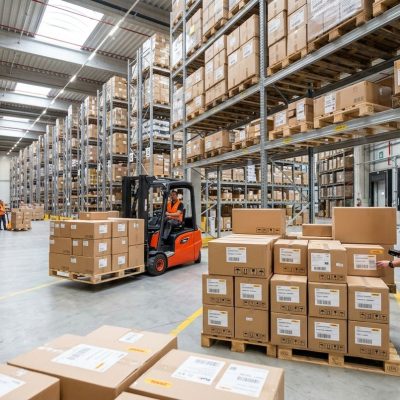
Efficient inventory management is critical. It balances supply and demand. It directly impacts profitability. Various techniques exist for effective control. Just-in-Time (JIT) minimizes inventory. It reduces carrying costs. It requires precise coordination. Conversely, safety stock provides a buffer. It protects against unexpected spikes. It guards against supply disruptions. Choosing the right technique depends on several factors. Product type, lead times, and demand variability all matter. Implementing a robust Inventory Management System (IMS) is essential. These systems track stock levels in real-time. They automate reordering processes. This prevents both shortages and surpluses.
Advanced analytics helps optimize inventory levels. It identifies slow-moving items. It flags potential obsolescence. Cycle counting improves accuracy. It reduces the need for full physical counts. Warehouse layout optimization also enhances efficiency. It speeds up picking and packing. Furthermore, cross-docking minimizes storage time. It moves products directly from inbound to outbound. Effectively managing inventory is a continuous process. It requires constant review. It demands adaptation. Companies like Gartner provide insights into leading inventory management software.
Logistics and Transportation Excellence
Logistics and transportation are the arteries. They connect all parts of the supply chain. Excellence in this area is non-negotiable. It ensures timely delivery. It minimizes shipping costs. It enhances customer satisfaction. Selecting the right carriers is crucial. Evaluating their reliability and cost is important. Route optimization software improves efficiency. It reduces fuel consumption. It shortens transit times. Real-time tracking provides visibility. It allows for proactive problem-solving. It keeps customers informed. Furthermore, choosing appropriate modes of transport is key. Road, rail, sea, and air all have different advantages. Multimodal transport combines these effectively.
Consolidating shipments reduces costs. It also lowers environmental impact. Reverse logistics is another vital aspect. It manages returns efficiently. It processes repairs. It handles recycling. Therefore, this optimizes the post-purchase experience. Investing in a robust Transportation Management System (TMS) is beneficial. It automates planning. It optimizes loads. It manages carrier relations. These systems provide competitive advantage. They streamline the entire delivery process. Organizations like the Council of Supply Chain Management Professionals (CSCMP) offer valuable resources on logistics best practices.
Implementing Strategic Supply Chain Optimization Technologies
Technology drives modern supply chain transformation. It is the engine behind efficiency. Digital tools are not just supportive. They are fundamental. They enable unprecedented visibility. They provide powerful analytical capabilities. Moreover, they automate complex processes. Embracing these innovations is vital. Companies must invest strategically. They need to integrate solutions carefully. This ensures maximum impact. This section explores key technological advancements. We examine how they facilitate robust optimization efforts.
The Role of Digital Transformation
Digital transformation is reshaping supply chains. It involves integrating digital technology. This fundamentally changes operations. It delivers new value to customers. Cloud computing offers scalability. It provides secure data storage. This is accessible from anywhere. Internet of Things (IoT) sensors track products. They monitor conditions. They provide real-time location data. This enhances visibility. Blockchain technology secures transactions. It provides immutable records. This builds trust across networks. Artificial Intelligence (AI) and Machine Learning (ML) analyze vast datasets. They identify patterns. They predict outcomes. These insights drive better decisions. This leads to predictive maintenance. It enables dynamic routing. Furthermore, it supports personalized customer experiences.
Robotics and automation streamline warehousing. They improve picking accuracy. They speed up order fulfillment. Digital twins create virtual models. They simulate scenarios. They optimize complex systems. Businesses adopting these technologies gain a significant edge. They achieve greater agility. They enhance resilience. They boost overall efficiency. Companies must embrace digital transformation. It is crucial for long-term competitiveness. It ensures an adaptable supply chain.
Data Analytics for Informed Decisions
Data is the new oil. In supply chain management, it is invaluable. Data analytics transforms raw information. It provides actionable insights. This enables informed decision-making. Predictive analytics forecasts future trends. It anticipates demand fluctuations. It identifies potential risks. Prescriptive analytics recommends specific actions. It suggests optimal inventory levels. It proposes best shipping routes. Descriptive analytics explains past events. It identifies root causes of problems. All forms of analytics enhance the process of Strategic Supply Chain Optimization. They empower managers. They allow them to respond proactively.
Implementing robust data collection systems is essential. This includes ERP, WMS, and TMS systems. These platforms generate massive amounts of data. Visualizing this data is also crucial. Dashboards provide clear, concise summaries. They highlight key performance indicators (KPIs). This allows for quick assessment. Regular data audits ensure accuracy. They maintain data integrity. Consequently, businesses can identify areas for improvement. They can measure the impact of changes. They can continuously refine their strategies. Leveraging data analytics is a powerful tool. It drives continuous improvement. It supports evidence-based decision-making.
Overcoming Challenges in Strategic Supply Chain Optimization
Even with advanced strategies, challenges arise. Supply chains are inherently complex systems. They face various internal and external pressures. Addressing these challenges is vital. It maintains operational stability. It ensures long-term success. Proactive measures are always better. Anticipating potential issues allows for mitigation. This section discusses two key areas. They often present significant hurdles. Overcoming them strengthens the entire framework. It builds resilience. It fosters sustainable growth.
Risk Management in Supply Chains
Supply chains are vulnerable to numerous risks. These include natural disasters. They encompass geopolitical instability. Economic downturns also pose threats. Cyberattacks are an emerging concern. Therefore, robust risk management is imperative. It involves identifying potential threats. It assesses their likelihood. It evaluates their potential impact. Developing contingency plans is crucial. This ensures business continuity. Diversifying suppliers reduces dependency. It mitigates disruptions. Building redundant systems provides backups. This maintains critical operations. Regular risk assessments keep plans current. They adapt to evolving threats. Transparency within the supply chain is also key. It allows for quicker identification of issues. It facilitates faster responses. Harvard Business Review often features articles on supply chain resilience and risk mitigation strategies.
Scenario planning helps organizations prepare. It simulates various disruption events. It tests the effectiveness of response plans. Investing in insurance also provides financial protection. It covers unforeseen losses. Collaborating with industry peers offers insights. Sharing best practices strengthens collective resilience. Ultimately, effective risk management protects assets. It safeguards reputation. It ensures the ongoing success of Strategic Supply Chain Optimization efforts. It is an ongoing, dynamic process.
Sustainability and Ethical Sourcing
Sustainability is no longer a niche concern. It is a core business imperative. Consumers demand ethical products. Regulators impose stricter environmental rules. Therefore, integrating sustainability into supply chain strategies is essential. This includes reducing carbon footprint. It involves minimizing waste. It means optimizing resource consumption. Ethical sourcing ensures fair labor practices. It prevents exploitation. It respects human rights. Transparency in the supply chain is vital for this. Tracing products back to their origin confirms compliance. Certifications also provide assurance. They verify adherence to standards.
Adopting circular economy principles is transformative. It redesigns products for reuse. It extends their lifecycle. It minimizes waste generation. Partnering with eco-friendly suppliers is beneficial. It aligns values. It reduces environmental impact. Implementing green logistics practices also helps. This includes optimizing routes. It means using electric vehicles. It reduces emissions. Consequently, businesses enhance their brand image. They attract socially conscious customers. They also comply with regulations. Prioritizing sustainability supports long-term growth. It contributes to a better planet. It forms a crucial part of modern Strategic Supply Chain Optimization.
Future Trends in Strategic Supply Chain Optimization
The landscape of supply chain management is continually evolving. New technologies and global shifts drive this change. Staying ahead of these trends is paramount. It ensures ongoing competitiveness. It builds future resilience. Emerging innovations promise even greater efficiency. They offer enhanced adaptability. This section explores key trends shaping the future. They will define the next generation of supply chain excellence.
Artificial intelligence (AI) will become even more sophisticated. It will enable hyper-personalized supply chains. Predictive capabilities will reach new heights. This will allow for proactive issue resolution. Blockchain technology will provide greater transparency. It will enhance traceability. This will improve trust across partners. It will also simplify compliance. Automation, including robotics and drones, will expand. This will further optimize warehousing. It will streamline last-mile delivery. The focus on hyper-localization will grow. Regional supply chains will gain prominence. This reduces reliance on distant sources. It mitigates global risks. Furthermore, circular economy principles will be fully integrated. They will redefine product lifecycles. They will promote resource efficiency. Digital twins will offer real-time simulations. They will optimize complex network designs. Ultimately, a proactive, AI-driven, and sustainable approach will dominate. These trends underscore the continuous need for Strategic Supply Chain Optimization.
Conclusion: Embracing Continuous Optimization
In summary, Strategic Supply Chain Optimization is vital. It is essential for modern business success. It encompasses many critical components. These include robust demand planning. Effective supplier management is also key. Efficient inventory control is crucial. Excellence in logistics and transportation defines success. Integrating cutting-edge technology further enhances capabilities. It drives efficiency. It builds resilience. Addressing risks and prioritizing sustainability ensures longevity. Businesses must adopt a proactive mindset. They need to embrace continuous improvement. This adaptability fosters enduring growth.
By mastering these strategies, companies can navigate complexity. They can seize new opportunities. They can achieve operational excellence. This leads to increased profitability. It boosts customer satisfaction. It secures a competitive edge. Do not let your supply chain be a bottleneck. Instead, transform it into a powerful asset. Let us help you achieve your goals. For more information on optimizing your operations, contact us today. You can reach us via mobile: +234 904 238 1693 or email: info@flocargo.com. We are ready to assist you.