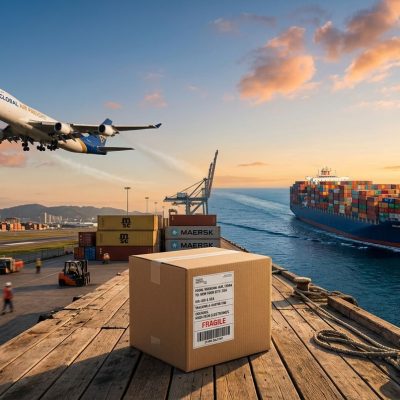
Global trade dynamics are currently undergoing a massive structural overhaul. Specifically, nearshoring supply chain logistics has become a dominant trend for businesses today. This strategy involves moving manufacturing operations geographically closer to the end consumer. Consequently, companies can reduce transit times significantly while mitigating risks associated with long-distance shipping.
Enhancing Speed with Regionalized Networks
Speed to market is critical for modern competitiveness. Therefore, adopting nearshoring supply chain logistics allows brands to respond faster to fluctuating consumer demands. Instead of waiting weeks for ocean freight, goods arrive in days via road or rail.
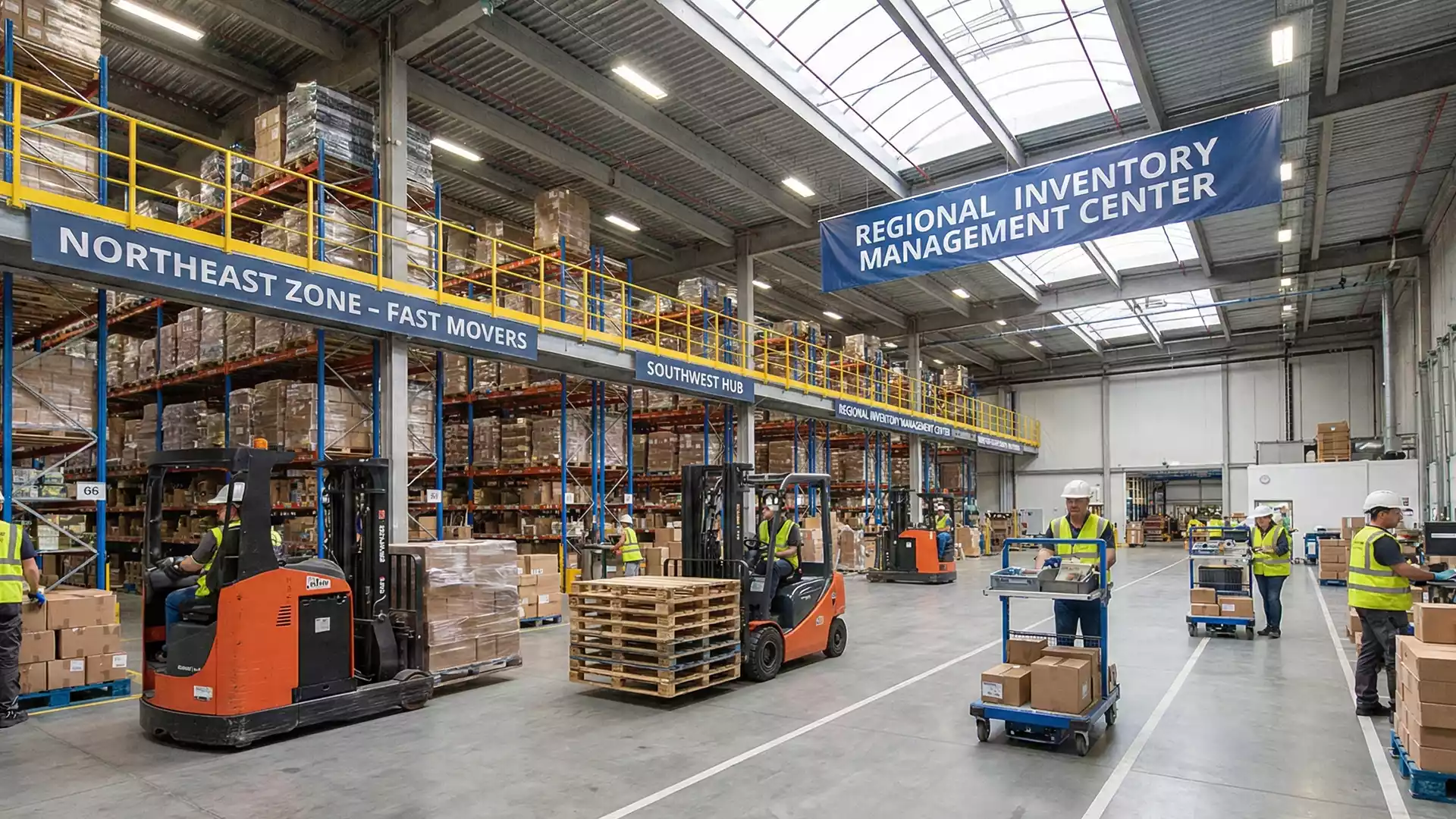
Furthermore, regionalized inventory management helps businesses maintain leaner stock levels. You no longer need massive safety stocks to buffer against ocean delays. Thus, capital previously tied up in warehousing becomes available for other investments.
Building Resilience Against Global Disruption
Geopolitical instability often threatens traditional far-shore models. However, shortened global trade routes offer a robust buffer against these unpredictable international events. By producing locally or regionally, you insulate your operations from distant port strikes or canal blockages.
Additionally, this approach aligns perfectly with sustainability goals. Shorter trips naturally result in lower carbon emissions per unit. Hence, nearshoring supply chain logistics supports both operational stability and environmental responsibility simultaneously.
Strategic Implementation for Future Growth
Transitioning to a regional model requires careful planning. First, you must identify suitable suppliers within your target region. Then, you need to establish reliable transport partnerships to handle the new flow of goods.
Finally, supply chain resilience strategies must be agile. Markets change quickly, and your logistics setup should adapt effortlessly. Ultimately, those who embrace these shorter, smarter supply chains will lead the market in 2026.